
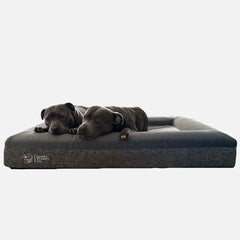


Yes, a dog’s bed can contribute to pain when it fails to support proper pressure distribution, joint alignment, and comfort needed for healthy rest, often worsening stiffness, pressure sores, or compensatory behaviours.
Getting rest right is foundational to musculoskeletal health in dogs. Bedding is frequently overlooked as a contributor to chronic discomfort, even though prolonged rest on an unsupportive surface can intensify joint stress and tissue strain. Choosing supportive options such as orthopaedic dog beds can therefore be especially important for dogs that need better pressure distribution and joint support. Pain is not only influenced by activity and movement.
How a dog sleeps plays an equally important role in comfort, recovery, and long-term mobility.
Key Takeaways
-
A dog’s bed can cause pain when it fails to support joints, distribute pressure, or maintain spinal alignment.
-
Behavioural cues like avoidance, restlessness, and altered sleep posture are early red flags.
-
Physical signs such as pressure sores, excessive licking, and skin irritation often trace back to bed issues.
-
You can assess, clean, maintain, and appropriately replace bedding to prevent pain progression.
-
Choosing the right bed with supportive foam, correct size, and ergonomic design mitigates pain and enhances recovery.
How a Dog’s Bed Can Cause Pain (Foundational Understanding)
Improper bedding can cause pain by creating abnormal pressure points, failing to support joint alignment, and disrupting thermoregulation during sleep.
When a bed lacks sufficient support or is structurally compromised, the dog’s skeletal and soft tissue structures endure prolonged stress. This stress amplifies discomfort especially in joints and pressure-sensitive areas, which is worst overnight when prolonged contact occurs.
Pressure Distribution and Joint Load
Dogs need even pressure distribution across their shoulders, hips, and elbows. Without this, pressure concentrates on bony prominences. A bed with thin or fatigued foam lets the dog’s joints bear weight against harder underlying surfaces, exacerbating joint compression.
Spinal Alignment During Sleep
Proper spinal alignment ensures the neck, thoracic, and lumbar regions are neutral during rest. Beds that sag unevenly cause abnormal curvature and stress, especially in side sleepers or dogs with existing orthopedic issues.
Thermoregulation and Inflammation
Bedding that traps heat can increase inflammatory responses, while cold floors provide insufficient warmth. Both extremes affect circulation and joint comfort, particularly in senior dogs or those with arthritis.
Behavioural Signs Your Dog’s Bed Is Causing Discomfort

Behavioural changes are often the earliest and most reliable indicators of bed-related pain. Dogs adapt before they complain.
Avoidance and Restlessness
You may notice:
-
Your dog choosing the floor or sofa instead of the bed.
-
Frequent repositioning during the night.
-
Difficulty settling or pacing before sleep.
These behaviours signal discomfort rather than preference.
Difficulty Lying Down or Getting Up
Watch closely for:
-
Hesitation before lying down.
-
Slow, stiff movements when standing.
-
Soft whining or sighing during transitions.
These movements place stress on joints already irritated by poor support.
Changes in Sleep Posture
Changes in sleep posture can be compensatory, with positions such as:
-
Sleeping upright or seated.
-
Hanging part of the body off the bed.
-
Curling tightly to reduce pressure on painful areas.
Mood and Interaction Changes
Pain during rest affects behaviour:
-
Irritability when touched near bedtime.
-
Guarding the bed.
-
Reduced tolerance for handling.
Physical and Dermatological Signs Linked to Bed Problems
Skin and coat issues can originate from prolonged pressure, friction, or poor hygiene in a dog’s bed. These signs are often mistaken for allergies or behavioural habits.
Pressure Sores and Calluses
Look closely at:
-
Elbows
-
Hips
-
Hocks
Early calluses may be mild, but advanced sores become painful and prone to infection.
Excessive Licking or Chewing
Pain-soothing behaviours often appear as:
-
Repeated licking of the same spot
-
Chewing near joints or pressure areas
-
Increased attention to elbows or hips
Coat and Skin Changes
Poor bedding can cause:
-
Thinning fur
-
Redness or hot spots
-
Moisture retention that fuels bacteria and yeast
Bed-Specific Warning Signs Most Owners Miss
The condition of the bed itself provides critical clues about pain risk.
Many beds look fine but fail structurally.
Foam Fatigue and Bottoming Out
Test the bed:
-
Press down firmly with your hand.
-
If you feel the floor, the foam has failed.
-
Slow rebound indicates loss of support.
Structural Deformities
Watch for:
-
Permanent body-shaped indentations.
-
Uneven surfaces.
-
Raised seams creating pressure ridges.
Hygiene and Microbial Load
Red flags include:
-
Odors that persist after washing.
-
Dampness trapped inside foam.
-
Visible wear exposing inner materials.
Dogs at Higher Risk From Improper Bedding

Senior, large, thin-coated, and orthopedic-compromised dogs are at disproportionately higher risk of pain from lousy bedding. Recognizing risk categories ensures early intervention.
Senior Dogs and Age-Related Joint Changes
Age-related cartilage degeneration makes seniors especially sensitive to pressure and alignment problems. They need beds that cushion without letting joints collapse.
Large and Giant Breeds
Large body mass increases joint load per square inch. Muscular breeds such as the Staffordshire Bull Terrier can also benefit from bedding that provides reliable pressure distribution and support. Larger breeds require deeper, denser support layers to distribute weight effectively.
Dogs With Orthopedic or Neurological Conditions
Conditions like hip dysplasia, intervertebral disc disease, and post-surgical recovery demand bedding that supports spinal alignment and reduces shear forces.
Thin-Coated or Low-Body-Fat Dogs
Less natural padding increases pressure sensitivity. These dogs feel discomfort sooner on hard or unsupportive surfaces and are more prone to cold-induced stiffness.
How to Evaluate Your Dog’s Bed at Home
Use systematic tests, compression, alignment, and morning checks to objectively assess whether your dog’s bed supports comfort and healing. A structured evaluation keeps emotion out of the decision to replace or repair.
The Compression Test
Press down with your hand. A healthy bed returns to its original shape quickly and resists bottoming out. Poor support remains flat or slow to rebound.
The Alignment Test
Watch your dog lie down. A supportive bed should allow a straight line from neck to tailbone without exaggerated curves or awkward head positions.
The Morning Check
Observe your dog’s gait and stiffness in the first 15–30 minutes after waking. Stiffness, reluctance to walk, or a noticeable limp suggest overnight pressure or alignment issues.
What to Do If the Bed Is Causing Pain
Addressing a problematic bed quickly reduces pain and prevents secondary issues like pressure sores and compensatory gait changes. Prompt action preserves quality of life.
Immediate Adjustments
-
Add a temporary orthopedic topper.
-
Elevate from cold floors.
-
Ensure a dry, draught-free sleep area.
Cleaning and Maintenance
-
Wash covers regularly.
-
Deep clean when possible.
-
Retire beds that remain odorous or misshapen.
When Replacement Is Non-Negotiable
Replace the bed if:
-
Structural collapse is present.
-
Pressure sores are developing.
-
Pain persists despite cleaning and padding.
Choosing the Right Bed for Pain Prevention and Recovery

The right bed combines orthopedic support, correct size, ergonomic shape, and materials suited to your dog’s anatomy and sleep style. Quality choices improve comfort and reduce pain progression.
Orthopedic vs Standard Beds
Orthopedic beds with high-density foam distribute weight evenly and keep joints off hard surfaces. Standard beds may be fine for short-term use but often lack lasting support.
Matching Bed Design to Sleep Style
Side sleepers need deeper cushioning; curlers need supportive bolsters; stretchers benefit from elongated, flat supportive surfaces.
Materials That Support Joint Health
Memory foam provides contouring support, while high-density supportive foams reduce pressure points without excessive heat retention. Temperature-neutral covers improve thermoregulation.
Size, Shape, and Entry Height
Your dog should be able to lie fully extended without hanging off edges. Low-entry designs help dogs with mobility challenges access the bed without stress.
When Bed Pain Is a Symptom, Not the Root Cause
Sometimes the bed aggravates pain but is not the underlying problem. Distinguishing cause from contributor is crucial. Comprehensive evaluation avoids missed diagnoses.
Arthritis and Degenerative Joint Disease
Supportive bedding helps comfort but does not reverse cartilage degeneration. Pain that persists after bedding changes warrants clinical assessment.
Allergies and Dermatologic Conditions
Skin irritation around bedding areas can come from allergens, fleas, or atopic dermatitis. These require targeted treatments beyond bedding.
Neurological and Muscular Disorders
Unsteady gait, dragging paws, or sudden onset weakness demand veterinary assessment. Bedding is supportive but not corrective for neurological dysfunction.
Choosing the Right Dog Bed to Prevent Pain and Support Long-Term Comfort
At HappyStaffy, we believe rest is one of the most overlooked foundations of canine health. When a dog’s bed causes pain, it quietly undermines recovery, contributes to chronic joint stress, and reduces overall quality of life. The good news is that this is preventable.
By learning to recognize early warning signs, evaluating bedding with intention, and choosing beds that truly support a dog’s body, you can protect musculoskeletal health day and night. Comfort is not a luxury for dogs. It is a daily requirement for mobility, behaviour, and long-term wellbeing.


