
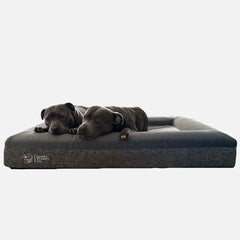


Dogs speak in quiet ways long before they bark or whine. Their bodies reveal stories that run deeper than simple habits, and sleep is one of the most honest places to read those stories. A dog resting with ease offers a window into their comfort, wellbeing, and emotional world. Learning how to interpret these sleep positions allows you to understand your pet with greater clarity. Every posture carries meaning, while a comfortable sleep environment with durable dog beds can help support more restful, secure sleep.
Why Dogs Have Different Sleeping Positions
-
Natural temperature responses guide dogs to stretch out, curl tightly, or expose their belly so they can stay comfortable in warm or cool environments.
-
Deep sleep and muscle restoration occur when dogs fully relax their bodies, allowing tissues to repair and energy levels to reset.
-
Emotional safety signals show through each posture, revealing how calm, cautious, or connected a dog feels in different moments.
-
Age-related sleep habits shift over time as puppies experiment, adults settle into predictable routines, and senior dogs choose positions that ease pressure on ageing joints.
-
Environmental influences such as lighting, background noise, room activity, and bedding texture affect how easily a dog relaxes and which posture supports their comfort best.
The Complete List of Dog Sleeping Positions

1. The Side Sleeper
A dog resting on its side signals comfort and trust. Muscles relax fully in this pose, which allows deep sleep and dreaming. This posture often appears when a dog feels safe. Concern may arise if they suddenly avoid this position, as it can suggest discomfort. Breeds with calm and confident temperaments, such as Golden Retrievers or Staffies, commonly favour this position.
2. The Curled-Up / Donut Position
Tucking into a tight curl reflects an instinctive need for warmth and protection. Dogs conserve heat and guard vital organs by tucking in this way. If the curl becomes extremely tight or persists for long periods, it may indicate pain or anxiety. Nordic breeds often prefer this posture because their ancestors slept in snow.
3. The Lion Pose / Sphinx Position
Dogs resting with their head up and paws tucked under remain semi-alert. This is a transition posture that keeps them ready to respond quickly. It suggests attentiveness and awareness of the environment. Confident working breeds use this position when they want to stay engaged with their surroundings.
4. The Superman Position
Stretching belly-down with limbs extended shows enthusiasm and readiness to leap into action. Puppies are known for this because their energy resets quickly. This posture also helps dogs cool down by pressing their belly against cooler surfaces.
5. The Belly-Up Position
A dog exposing their stomach while sleeping displays profound trust and comfort. This posture also helps cool the body. Not all belly-up positions indicate relaxation, and if a dog flips over suddenly or appears tense, the stretch might be an attempt to relieve discomfort.
6. The Back-to-Back Snoozer
Sleeping pressed against another dog or a person reflects bonding instincts. It expresses closeness and shared safety. Multi-dog homes see this often because dogs mirror each other’s behaviours and routines.
7. Sleeping Under Blankets or Hidden Spaces
Many dogs burrow because of strong denning instincts. Hidden spaces feel secure and insulating. If a dog chooses hiding consistently or suddenly, it could suggest nervousness or stress.
8. The Cuddle Sleeper
Resting directly on a person or leaning against them reveals attachment and affection. Some dogs with separation sensitivities cling more during sleep. This position is an emotional gesture that strengthens the bond between dog and owner.
9. The Sprawled Leg-Out Side Position
A fully sprawled dog is deeply relaxed, usually after intense play or exercise. This posture stretches the limbs and releases stored tension. If your dog seems stiff when rising from this position, mild hip or joint discomfort could be developing.
10. The Perch Sleeper
Dogs that sleep on couch arms or raised cushions seek height and oversight of the room. This can reflect confidence, territorial instincts, or curiosity. Some breeds enjoy elevated resting places because they like vantage points, which may also explain why they feel comfortable on raised beds.
11. The Sitting-Up Sleeper
A dog dozing while sitting upright may struggle to breathe comfortably when fully reclined. Some use this position when feeling uneasy. Monitoring this posture helps detect possible airway or stress issues.
What Your Dog’s Sleeping Position Says About Their Personality
Confidence vs. Caution
Relaxed, open positions often show a dog feels secure and self assured in their surroundings. Protective or closed positions reveal a more cautious nature that responds closely to environmental changes. Observing these shifts helps you understand how comfortable or wary your dog feels in different moments.
Independence vs. Attachment
Some dogs prefer to sleep with space around them because it allows freedom of movement and personal comfort. Others naturally seek closeness as a way to feel safe and emotionally connected. These choices reveal how strongly your dog bonds with people or other pets in the home.
Playfulness vs. Calm Temperament
Energetic dogs often rest in stretched or exaggerated positions that reflect their active personalities. Calmer dogs tend to adopt compact or still sleeping styles that conserve energy. These patterns offer insight into how your dog balances excitement and rest throughout the day.
Sensitivity to Temperature or Environment
Dogs who are responsive to temperature shifts change positions frequently to stay comfortable. Household noise, lighting, and overall activity also influence how they settle. Noticing these adjustments helps you create a space that supports their comfort and emotional ease.
Social Sleeping Behaviour in Multi-Dog Homes
Dogs living with other pets often mirror each other's sleep positions as a sign of trust and companionship. Their shared rhythms create a peaceful, cooperative atmosphere within the group. Understanding these interactions helps you appreciate the social bonds formed through quiet, restful moments.
How Age Affects a Dog’s Preferred Sleeping Position

Puppies and High-Energy Positions
Young dogs collapse into sprawling or Superman-style poses due to quick bursts of activity. These positions help them release leftover energy after play. Puppies often switch between several sleep styles because their bodies and routines are still developing.
Adult Dogs and Pattern Stability
Adults settle into reliable sleep styles that match their lifestyle and personality. Their preferred positions usually reflect a balance between comfort and habit. Once an adult dog forms a routine, they tend to return to the same postures each day.
Seniors and Joint-Protective Positions
Older dogs choose positions that ease pressure on hips, elbows, and spine. These postures help them avoid stiffness and discomfort during rest. Senior dogs often sleep more lightly as they adjust their bodies for long term comfort.
How Breed, Size, and Coat Type Influence Sleep Positions
Small Dogs vs. Large Dogs
Tiny breeds tuck or burrow more often because it helps them feel protected and conserve warmth. Larger dogs tend to stretch out fully since spreading their limbs helps them cool down and ease joint pressure. These natural tendencies reflect both body size and the way each dog manages comfort during rest.
Short-Coat Breeds vs. Heavy-Coat Breeds
Dogs with short coats curl tightly to hold on to body heat, especially during cooler nights. Thick-coated breeds prefer open positions because their insulating fur keeps them warm even when stretched out. These differences show how coat type affects the search for comfort while sleeping.
Working Breeds vs. Companion Breeds
Working dogs often rest in alert-ready positions that keep them prepared for quick movement. Companion breeds choose softer, more relaxed postures that prioritise closeness and comfort. Each sleeping style reflects the energy level and purpose the breed historically carried.
Brachycephalic Breeds and Airway Considerations
Flat-faced breeds sometimes avoid deep reclining because it can make breathing more difficult. These dogs choose elevated or side positions that help keep their airways open. Observing their sleeping preferences helps identify what keeps them comfortable and well supported.
Sighthounds and Open Relaxed Sleeping Styles
Lean, long-limbed breeds often sprawl naturally due to their flexible frames and minimal body fat. Their resting positions look dramatic because their bodies relax with ease across large spaces. This tendency highlights the unique combination of agility, athleticism, and comfort that defines sighthounds.
Ideal Sleep Environments for Better Rest

Temperature and Bedding Preferences
Soft beds support joints by offering gentle cushioning that reduces pressure on sensitive areas. Cooler surfaces give dogs a way to regulate their body temperature when the weather feels warm or stuffy. Matching bedding to your dog's needs helps them settle comfortably and sleep more soundly.
Quiet vs. Busy Household Locations
Some dogs choose quiet corners because these spots allow them to rest without interruption. Others prefer monitoring activity from a central place where they feel involved. Each dog selects a location that provides the right balance of comfort and security.
Supportive Beds for Seniors and Certain Breeds
Orthopaedic bedding eases stiffness and helps older dogs maintain a restful position. These beds also benefit breeds prone to joint issues by offering consistent support. Choosing the right mattress style protects long term mobility and comfort.
Safe Spaces for Anxious Dogs
Enclosed beds or crates give anxious dogs a sense of structure and safety. These small, defined areas help reduce overstimulation that can make rest difficult. Providing a secure retreat allows sensitive dogs to relax more deeply.
Indoor vs. Outdoor Rest Patterns
Dogs adjust their sleeping style depending on temperature and overall climate. The texture and firmness of indoor or outdoor surfaces can influence posture. Changes in noise levels also affect where and how a dog chooses to rest.
Understanding Your Dog’s Sleep Language
Noticing your dog's sleeping positions opens a window into their emotional and physical wellbeing. Every shift and stretch tells a story about how secure, relaxed, or alert they feel in your home. By paying attention to these details, you learn to support them more intuitively and help them rest with greater ease. Their sleeping style is part of their personality, and understanding it deepens the bond you share.
In the end, recognising these quiet signals strengthens the trust between you and your pet because moments of rest reveal their truest selves. At Happy Staffy, we feel grateful for every peaceful moment our dogs share with us because those small moments remind us why we adore them so deeply.


