
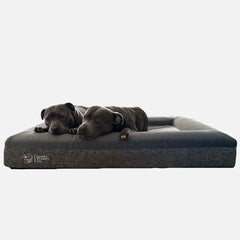


Crate training succeeds or fails based on one factor more than any other: comfort. When a crate feels safe, predictable, and physically supportive, dogs naturally choose it as a resting space rather than resisting it. The right setup matters, from correct sizing and stable flooring to suitable bedding, while supportive dog beds can provide an additional comfortable resting space outside the crate. When comfort is overlooked, even the most structured training plan can backfire.
At its best, a crate functions as a personal retreat where a dog can relax, self-regulate, and feel protected from overstimulation. Our approach focuses on building that sense of safety first, then layering training on top of it.
Key Takeaways
-
Crate comfort depends on both physical setup and emotional safety, not size alone.
-
Correct sizing and thoughtful placement prevent stress and behavioural resistance.
-
Positive introduction methods shape long-term crate acceptance.
-
Comfort needs change across puppies, adults, and senior dogs.
-
A well-set-up crate supports calm behaviour, independence, and confidence.
Understanding a Dog’s Natural Den Instinct

Why Dogs Seek Enclosed, Predictable Spaces
Dogs are naturally drawn to enclosed areas that offer predictability and shelter. This preference comes from their evolutionary need to rest in spaces where they can observe their surroundings without being exposed. When designed correctly, a crate mirrors this instinctive den behaviour.
A comfortable crate provides boundaries without isolation. It allows a dog to disengage from noise, movement, and social pressure while still feeling part of the household environment.
When a Crate Feels Safe vs When It Feels Stressful
A crate feels safe when the dog enters voluntarily, settles quickly, and rests with relaxed body language. It becomes stressful when entry is forced, the environment is overstimulating, or the crate is associated with punishment or sudden confinement.
Early stress signals include pacing, excessive vocalisation, drooling, or refusal to enter. Addressing comfort at the first sign of resistance prevents long-term aversion.
Choosing the Right Crate Size and Style

Correct Crate Sizing Explained
A crate should allow a dog to stand fully upright, turn around comfortably, and lie down stretched out. Anything smaller restricts movement and creates discomfort. Anything larger can undermine house training by allowing a dog to eliminate in one corner and rest in another. Correct sizing supports both physical comfort and behavioural clarity.
Crate Types Compared
Wire crates offer ventilation and visibility, making them suitable for most home environments. Plastic airline crates provide a more enclosed feel and are often preferred by anxious dogs.
Soft-sided crates work well for calm, crate-trained dogs but are unsuitable for chewers. Furniture-style crates blend into living spaces but must still meet airflow and size requirements. No crate style compensates for poor setup or rushed training.
When Divider Panels Are Necessary
Divider panels are essential for growing puppies. They allow the crate to expand gradually as the dog grows, maintaining a sense of enclosure while preventing toileting accidents. This staged approach supports comfort at every developmental phase.
Making the Crate Physically Comfortable
Bedding Choices That Support Comfort and Safety
Bedding should be soft enough to cushion joints while remaining firm and supportive. For dogs that chew, low-profile mats or chew-resistant pads reduce ingestion risks. For senior dogs, orthopaedic bedding can significantly improve rest quality.
Some dogs prefer minimal bedding, particularly in warmer climates. Comfort should always be observed, not assumed.
Blankets, Towels, and Seasonal Adjustments
Lightweight blankets add warmth and familiarity, especially when carrying the scent of home. In hot weather, breathable fabrics or cooling mats help regulate temperature. Bedding should be washable and replaced regularly to maintain hygiene.
Flooring, Stability, and Noise Reduction
Crates should sit on stable, non-slip surfaces. Rattling wire crates increase stress, particularly for noise-sensitive dogs. Using rubber feet, crate pads, or mats underneath reduces movement and sound, creating a calmer resting environment.
Creating a Calm, Secure Crate Environment
Where to Place the Crate in Your Home
Crates are best placed in areas where the dog can observe daily life without being overwhelmed. Living rooms or family areas often work well during the day. For nighttime use, quieter locations support uninterrupted rest while still maintaining proximity to caregivers. Isolation increases anxiety. Constant foot traffic increases overstimulation. Balance matters.
Using Covers to Create a Den-Like Feel
Covering three sides of a crate can help reduce visual stimulation and enhance the den effect. Full coverage may benefit some dogs but can increase anxiety in others. Observation is key. The goal is calm, not sensory deprivation.
Light, Sound, and Visual Stimulation Control
Excessive noise, flashing screens, or constant movement near the crate can prevent relaxation. Soft lighting and predictable sound levels support rest. For some dogs, consistent background noise can reduce startle responses.
What to Put Inside the Crate
Toys That Promote Calm Behaviour
Long-lasting chews, food-dispensing toys, and slow-engagement items encourage relaxation. These tools support positive association and prevent boredom without overstimulation. Rotating toys maintains novelty without cluttering the crate.
Items to Avoid Inside the Crate
Avoid squeaky toys, loose items that can be shredded, and anything that encourages frantic activity. Overcrowding the crate reduces usable space and undermines comfort.
Introducing the Crate the Right Way

First Introductions Without Pressure
The crate should be introduced with the door secured open, allowing free exploration. Tossing treats inside encourages curiosity without force. Voluntary entry builds trust faster than any command.
Feeding Meals in the Crate
Feeding meals in the crate creates strong positive associations. Starting with the bowl near the entrance and gradually moving it inward helps dogs build confidence at their own pace.
Closing the Door Without Creating Stress
Once a dog eats comfortably inside, brief door closures can begin. Closing the door during calm moments, then reopening it before distress appears, teaches that confinement is temporary and safe.
Building Duration and Confidence Over Time
Short Stays vs Extended Crate Time
Crate duration should increase gradually. Puppies and newly crate-trained dogs require shorter sessions with frequent breaks. Extended confinement without preparation leads to frustration and resistance.
Rewarding Calm Behaviour
Rewards should reinforce calm entry, quiet settling, and relaxed exits. The same positive reinforcement principles used to train a Staffy can also help build calmer crate behaviour. Excited greetings or immediate release during vocalisation teach the wrong lessons. Timing matters more than quantity.
Managing Whining, Barking, and Resistance
How to Tell the Difference Between Distress and Protest
Distress involves panic, frantic movement, and physiological stress signs. Protest involves testing boundaries through brief vocalisation. Responding appropriately requires observation rather than assumption.
When to Ignore vs When to Respond
Ignoring non-distress vocalisation prevents reinforcement of attention-seeking behaviour. Responding is appropriate when toilet needs, fear, or physical discomfort are likely contributors.
Supporting Anxious or Sensitive Dogs
Calming Aids and Environmental Tools
Pheromone diffusers, familiar scents, and consistent routines support anxious dogs. These tools work best alongside proper crate setup rather than as replacements for it.
Adjusting Crate Training for Rescue Dogs
Rescue dogs may carry prior negative associations. Slower pacing, smaller wins, and predictable routines help rebuild trust. Comfort must precede confinement in these cases.
Crate Training by Life Stage

Puppies
For puppies, crates support sleep routines and potty training. Nighttime comfort is critical, with appropriate warmth and reassurance without constant interaction.
Adult Dogs New to Crates
Adult dogs can learn crate comfort successfully when introductions are reset. Removing expectations and rebuilding positive associations prevents resistance rooted in past experiences.
Senior Dogs
Senior dogs benefit from easy entry, joint-supportive bedding, and frequent breaks. Crates should never compromise mobility or comfort at this stage.
Common Crate Comfort Mistakes to Avoid
Using the crate as punishment
Associating the crate with discipline or isolation teaches dogs to fear the space rather than view it as a safe retreat. Once a crate is linked to negative emotions, rebuilding trust becomes significantly harder and often leads to long-term resistance.
Leaving dogs crated too long
Extended confinement without appropriate breaks can cause physical discomfort, frustration, and anxiety. Crates are designed for rest and downtime, not prolonged containment, and overuse can undermine both comfort and training progress.
Skipping the conditioning phase
Introducing crate time without gradual conditioning often results in stress behaviours such as whining, barking, or avoidance. Comfort and confidence develop through repeated positive experiences, not immediate door closures or forced duration.
Why Comfort Is the Foundation of Ethical Crate Training
Crate training is not about control or restriction. It is about creating a space where a dog feels secure enough to rest, retreat, and reset on their own terms. When comfort is prioritised from the beginning, a crate becomes a place of safety rather than confinement.
At Happy Staffy, we see this play out time and time again. Dogs introduced to crates through comfort, consistency, and positive association do not merely tolerate their crates. They actively seek them out as a trusted space within the home. That is the difference between crate training done for convenience and crate training done for a dog’s long-term well-being.


